In-Depth Review of Hypochlorous Spray: Benefits and Uses
Hypochlorous spray has gained attention as a versatile and effective solution for cleaning, disinfecting and skin care. Its unique properties make it a popular choice for households, healthcare settings, and personal use.
Looking for something specific? Jump to the part of this review that you're looking for.
Declaration of interest: I am not associated with Amazon or any of the brands featured in this review and am not being paid, nor offered any form or inducement, to write this article. All prices are from amazon.co.uk and are correct as at 3 May 2026.

I first came across hypochlorous spray by accident, while suffering a particularly bad skin outbreak earlier this year.
I'd had a UTI because I'd been busy at work and forgotten to drink enough water and then picked up a cold, while my immunity was low, resulting in tingling, inflamed lips, almost like I was getting a cold sore and a very stubborn spot on my chin. It felt like I was going through puberty again! Not wanting to relive the horrific dermatitis and acne I'd experienced in my early teens, I somewhat inevitably found myself browsing online late at night, desperate for something that might help.
The product I found was M-Club's Hypochlorous Skin Purifying Mist, marketed as a "Multi-Purpose Skincare Solution" that could be used "as a face mist and body cleanser to calm irritation and prevent flare-ups on the skin." It sounded like exactly what I needed.

Having never heard of hypochlorous acid before, I was bit dismayed when it arrived the next day and I read the ingredients, fearing I'd paid ~£10 for what appeared to be glorified salt water!

This led me to do a bit of research, which I will share with you to save you the trouble!
Hypochlorous Spray: The Science
What Is Hypochlorous Spray?
Hypochlorous acid (HOCl) is a weak acid naturally produced by white blood cells in the human body to fight infection. Hypochlorous spray is a solution that contains this acid in a stabilized form, making it safe and effective for external use. It acts as a powerful disinfectant without the harshness of traditional chemicals like bleach or alcohol.
The spray typically contains a low concentration of hypochlorous acid dissolved in water. This makes it non-toxic, non-irritating, and environmentally friendly. It kills bacteria, viruses, and fungi by breaking down their cell walls, which stops them from reproducing.
How does it work?
Hypochlorous acid works by disrupting the cell membranes of microorganisms. When sprayed on surfaces or skin, it quickly neutralizes harmful pathogens. Unlike many disinfectants, it does not leave harmful residues or strong odours.
Because it mimics the body’s natural defence mechanism, hypochlorous spray is gentle on skin and safe for use around children and pets. It also breaks down quickly into harmless substances, reducing environmental impact.
What are the benefits?
Hypochlorous spray is safe for daily use on skin and surfaces. It doesn't cause irritation or dryness, like alcohol-based sanitisers, making it ideal for people with sensitive skin or allergies.
Studies show hypochlorous acid kills a wide range of pathogens, including:
Bacteria such as E. coli and Staphylococcus aureus
Viruses including influenza and coronaviruses
Fungi and mould spores.
Unlike bleach or harsh chemicals, hypochlorous spray breaks down into water and salt after use. It does not contribute to toxic waste or pollution, making it a sustainable choice.
What can it be used for?
Hypochlorous spray can be used for:
Cleaning wounds and cuts to prevent infection
Sanitising hands without drying
Disinfecting surfaces like countertops, doorknobs, and toys
Freshening up fabrics and eliminating odours
Supporting skincare routines by reducing bacteria that cause acne.
Hypochlorous Spray: My Verdict
When combined with regular applications of lip balm and Blistex, I did find that my lips cleared up within a week or so, but there's no way of knowing if that was due to the spray, or if it would have resolved just as well without it. The blemish on my chin seemed unaffected and took the usual amount of time to disappear, but I also didn't develop any further spots while I was using the spray.
I did however find the mist very refreshing and it provided welcome relief from hot flushes and night sweats, making the targeting of the product at "women of a certain age" particularly clever.
During my research, I also discovered that it could also be used as a hand sanitiser, making me wish I'd found it during the pandemic, when I'd had horribly dry, peeling skin and eczema from the alcohol-based gels that were de rigueur at the time. I therefore went back online and found some cheaper, smaller bottles that I could carry in my handbag, as a substitute for the gel.
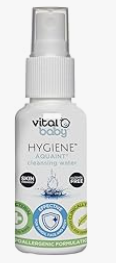
To summarise, the spray definitely had a positive psychological effect; whether or not it was of any material benefit to my skin. The mist also helped with my menopausal and perimenopausal symptoms and I find myself reaching for it at night if I'm too hot or suffering from palpitations.
The added salt and spray bottle itself may offer a more refreshing mist than the cheaper alternatives, but I'm not convinced it's worth paying literally twice the price for the privilege of a specifically designed product, when the main ingredient is so generic and readily available. I was horrified to find even more expensive products on the market for up to £15.95 for 100ml.
What to Look for When Buying Hypochlorous Spray
Concentration: Look for sprays with 100-200 ppm (parts per million) of hypochlorous acid for effective disinfection.
Stability: Choose products that maintain their potency over time. Some sprays come in opaque bottles to protect from light.
Purity: Avoid sprays with added fragrances, alcohol, or other chemicals if you want a pure hypochlorous solution.
Packaging: A fine mist spray bottle ensures even coverage and less waste.
Limitations and Considerations
While hypochlorous spray is effective, it has some limitations:
It loses potency when exposed to sunlight or air over time, so store it properly.
It is not a replacement for thorough cleaning with soap and water.
For deep wounds or serious infections, seek professional medical advice.
Some cheaper products may not contain enough active ingredient to be effective.
Summary
Hypochlorous spray offers a safe, effective, and environmentally friendly way to disinfect and care for skin. It works by mimicking the body’s natural defences, killing a wide range of pathogens without harsh chemicals. Its versatility makes it useful for wound care, hand sanitizing, household cleaning, skincare, and pet care.
If you want a gentle yet powerful disinfectant that fits into daily life and offers light relief from menopausal and perimenopausal symptoms, hypochlorous spray is worth trying.
If you're on a budget, look for more generic products, not marketed as cosmetic or pharmaceutical. The "family friendly" brands targeted at parents of young children seem to be the best value.


Comments